ClickUp for Facilities Management in Healthcare
Faced with the challenge of coordinating resources and communication across multiple locations, the client sought L5 for...
ReadMaster workflow optimization to lift output 20-30%, turning tangled, manual processes into operations your team can repeat.
 L5 Team
In today’s fast-paced business environment, maximizing productivity is crucial for the success of any organization. One way to achieve this is through workflow optimization. Statistics show the significant impact of workflow optimization on businesses.
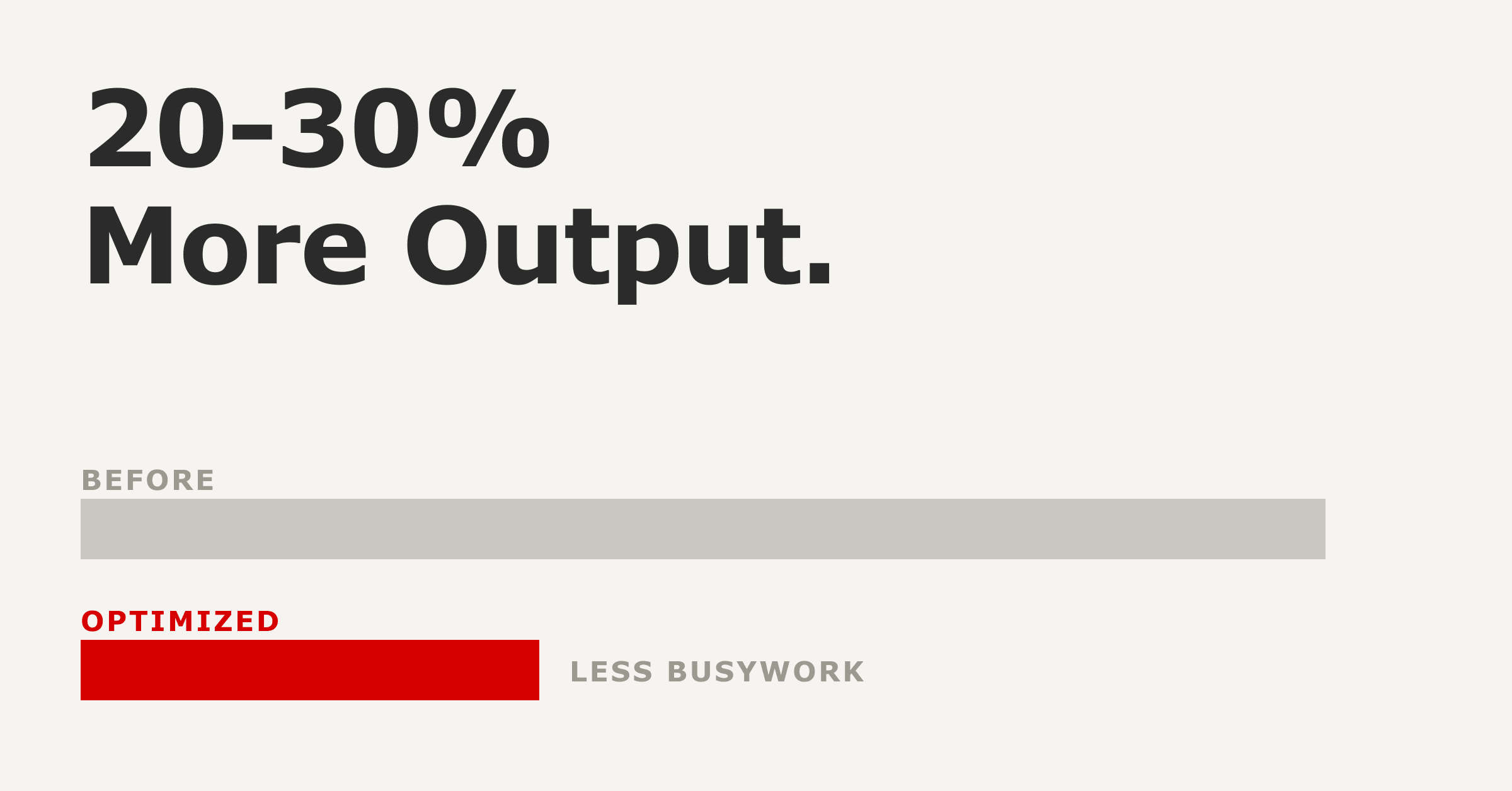
According to a study conducted by McKinsey & Company, organizations that effectively optimize their workflows experience a 20-30% increase in productivity. Additionally, research by the Aberdeen Group found that companies that implement workflow optimization strategies achieve a 16% reduction in operating costs. By mastering workflow optimization, businesses can save time, reduce costs, and improve overall productivity.
Workflow optimization offers numerous benefits for businesses of all sizes.
Firstly, it helps in identifying and eliminating inefficiencies, which ultimately leads to time and cost savings. By streamlining processes, tasks can be completed more quickly and with fewer errors. This not only boosts productivity but also enhances customer satisfaction.
Secondly, workflow optimization allows for better resource allocation. By understanding the flow of work and identifying bottlenecks, businesses can allocate resources more effectively. This ensures that each task is assigned to the right person, reducing the chances of delays or duplication of efforts.
Lastly, workflow optimization creates a culture of continuous improvement within the organization.
Workflow optimization increases the speed and efficiency of tasks, leading to higher overall productivity within the organization.
Streamlined workflows reduce unnecessary delays and resource wastage, resulting in significant time and cost savings.
Optimized processes facilitate better communication and collaboration among team members, fostering a more cohesive and effective work environment.
Efficient workflows are more adaptable to changes in the business environment, allowing organizations to stay agile and responsive to market dynamics.
Well-optimized workflows reduce repetitive and mundane tasks, contributing to increased job satisfaction and morale among employees.
Organizations with streamlined workflows are better positioned to outperform competitors by delivering products or services more efficiently and effectively.
Before diving into workflow optimization, it is essential to gain a thorough understanding of your current workflow.
This involves analyzing:
Identifying the steps and components of your workflow will provide a clear picture of the existing process. To understand your current workflow, it is helpful to map out the steps visually. This can be done using flowcharts or process diagrams. By visualizing the workflow, you can easily identify any redundancies, bottlenecks, or areas of improvement.
Once you have a clear understanding of your current workflow, the next step is to identify bottlenecks and inefficiencies.
Bottlenecks are points in the workflow where work slows down or gets delayed, often due to limited resources or dependencies on other tasks.
Inefficiencies, on the other hand, refer to unnecessary steps or processes that do not add value to the final outcome.
To identify bottlenecks, analyze each step of your workflow and identify any tasks or processes that cause delays or hinder the flow of work. This could be due to a lack of resources, outdated systems, or dependencies on other teams or individuals. Once bottlenecks are identified, strategies can be developed to address them and ensure a smoother workflow.
Similarly, inefficiencies can be identified by scrutinizing each step of the workflow and questioning the necessity of each task. Look for any redundant or repetitive processes that can be eliminated or streamlined. By removing inefficiencies, you can save time and resources, ultimately improving productivity.
In addition to optimizing your workflow, there are several productivity tips that can help you work more efficiently. Here are some strategies to consider:
Start each day by identifying the most important tasks that need to be completed. Prioritize them based on urgency and importance, and tackle them first.
Large tasks can be overwhelming and lead to procrastination. Break them down into smaller, more manageable tasks to make progress more achievable.
Contrary to popular belief, multitasking can actually decrease productivity. Focus on one task at a time to ensure quality work and minimize distractions.
Taking short breaks throughout the day can help refresh your mind and prevent burnout. Use this time to stretch, meditate, or engage in activities that relax you.
If you have a team, delegate tasks that can be handled by others. This allows you to focus on more critical responsibilities and promotes a sense of shared responsibility.
Once you have identified the bottlenecks, inefficiencies, and implemented productivity tips, it is time to put work efficiency strategies into action. Here are some effective strategies to consider.
Identify tasks that can be automated using software or tools. This can save time and reduce the chances of human error.
Develop standardized procedures and guidelines for recurring tasks. This ensures consistency and eliminates the need for unnecessary decision-making.
Implement collaboration tools that facilitate communication and streamline teamwork. This ensures that everyone is on the same page and reduces the chances of miscommunication or duplication of efforts.
Encourage a culture of continuous improvement within the organization. Regularly review and evaluate your workflow to identify areas for further optimization.
There are various tools and technologies available to aid in workflow optimization. These tools automate repetitive tasks, enable effective collaboration, and provide insights into performance metrics. Here are some popular tools to consider:
Project management software allows you to plan, manage, and track tasks and projects in a centralized platform. It provides visibility into project progress, facilitates collaboration, and helps in resource allocation.
Workflow automation tools automate repetitive tasks, reducing manual effort and the chances of errors. These tools can streamline approval processes, data entry, and document management.
Tools like Slack, Microsoft Teams, or Google Workspace facilitate real-time communication, file sharing, and collaborative work. These tools enable teams to work seamlessly, regardless of their location.
Performance analytics tools provide insights into workflow efficiency and identify areas for improvement. These tools track key performance metrics and generate reports to help you make data-driven decisions.
Here is the best software for project management for you. Before you go right into it, consider the reasons and the ways it helps your daily operations across your team and tasks. Check out more information on the L5 website, where you can get all the integrations ready in just 5 days.
To ensure that your workflow optimization efforts are sustainable, it is important to create a comprehensive workflow guide. This guide should document the optimized processes, standard operating procedures, and best practices for each task.
It should serve as a reference point for employees and provide clarity on how work should be done. The workflow guide should be easily accessible to all employees and regularly updated to reflect any changes or improvements. By having a comprehensive workflow guide, you can ensure consistency, reduce the chances of errors, and facilitate employee training and onboarding.
Workflow optimization is a powerful strategy for maximizing productivity and streamlining operations. By understanding your current workflow, identifying bottlenecks and inefficiencies, implementing productivity tips and work efficiency strategies, utilizing the right tools and technologies, and creating a comprehensive workflow guide, you can achieve significant improvements in productivity and cost savings.
Remember, workflow optimization is an ongoing process that requires continuous evaluation and improvement. That is where L5 comes into action in order to help you to build the most streamlined workflows for your business with the use of ClickUp. Here is why you should have L5 on your side while planning for better efficiency:
By mastering workflow optimization, you can create a seamless and efficient work environment that drives success.

The full article with its figures, tables and sources, set for reading offline, printing, and sharing.
On its way to your inbox You can also download it right now.
Download the PDF Last updatedKeep reading
Faced with the challenge of coordinating resources and communication across multiple locations, the client sought L5 for...
Read
In the fast-paced world of 2024, staying on top of your tasks is more crucial than ever. With the advancement of technol...
Read
How L5 Reshaped Invoice Management for a Renewable Fuel Manufacturer The Opportunity A renewable fuel manufacturer recog...
ReadField notes on AI operations and service management, direct to your inbox. New insights, the week we publish them.
No spam. Unsubscribe any time.