Five Mistakes Behind Misleading Ticket Statuses in Zendesk
Video
Custom ticket statuses in Zendesk behave according to the category they sit in, not the name on the label. Five common mistakes with statuses and categories, with the correction for each.
-
/
4 min watch
Chapters
Ticket statuses and status categories in Zendesk
Once custom statuses are switched on, the six standard statuses become categories, and the category a status sits in decides how every rule, metric and automation treats the ticket.
This walkthrough works through five mistakes in a live Zendesk account. It starts with naming a status before choosing its category, a category that cannot be changed afterwards, and a status called Escalated to engineering that keeps reply clocks running because it sits under Open.
It then covers statuses used to record why instead of what, Explore reports that roll every custom status back into the six categories unless the status name attribute is added, and solved treated as the same state as closed. Each mistake is shown with its correction.
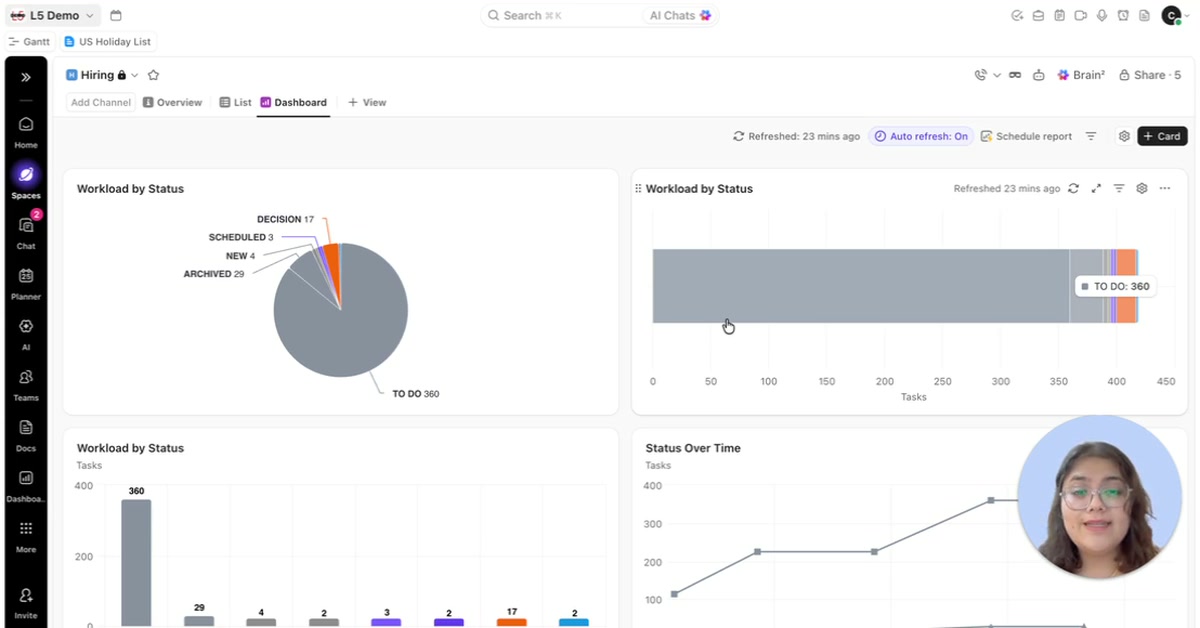
When work is spread across several lists, no single list shows where it stands. How status cards on a ClickUp dashboard show the split of tasks by status, how long tasks sit in each status, and how that changes over time.
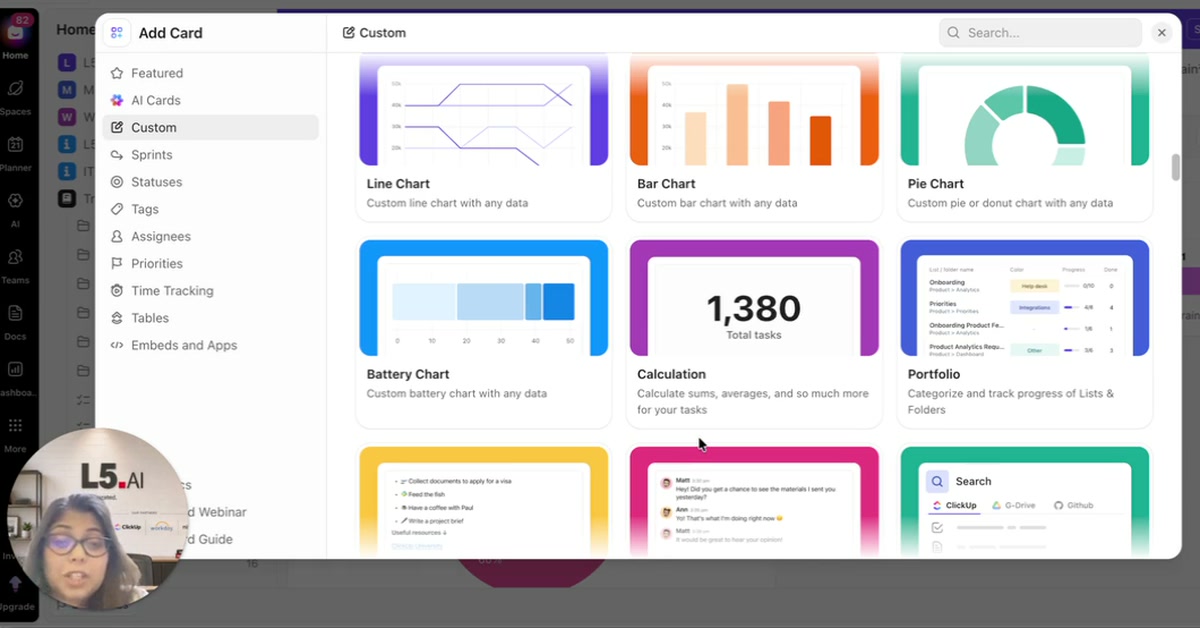
Dashboard cards turn ClickUp task data into charts a team can read at a glance. How to add a card from the Custom section, build a bar chart on a custom field and a pie chart by status, and choose cards by the question each one answers.
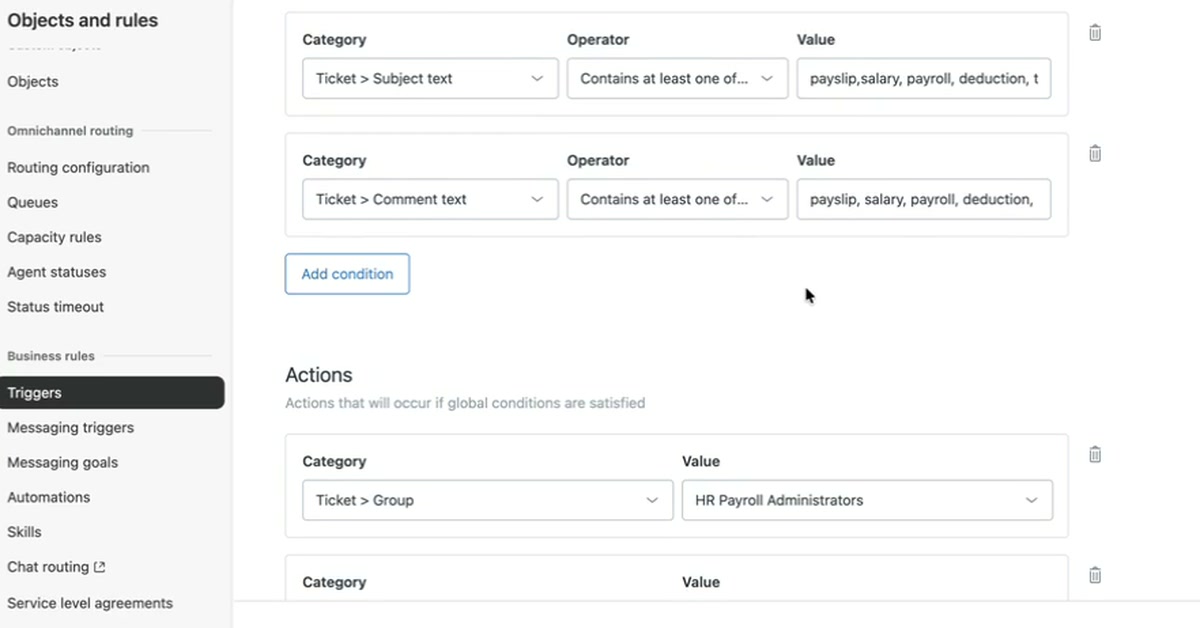
When every HR request arrives at one shared address, someone has to read and assign each one, and the whole team can see every ticket. How one Zendesk trigger routes payroll emails by keyword to the team that handles them, with everything else going to a default group.
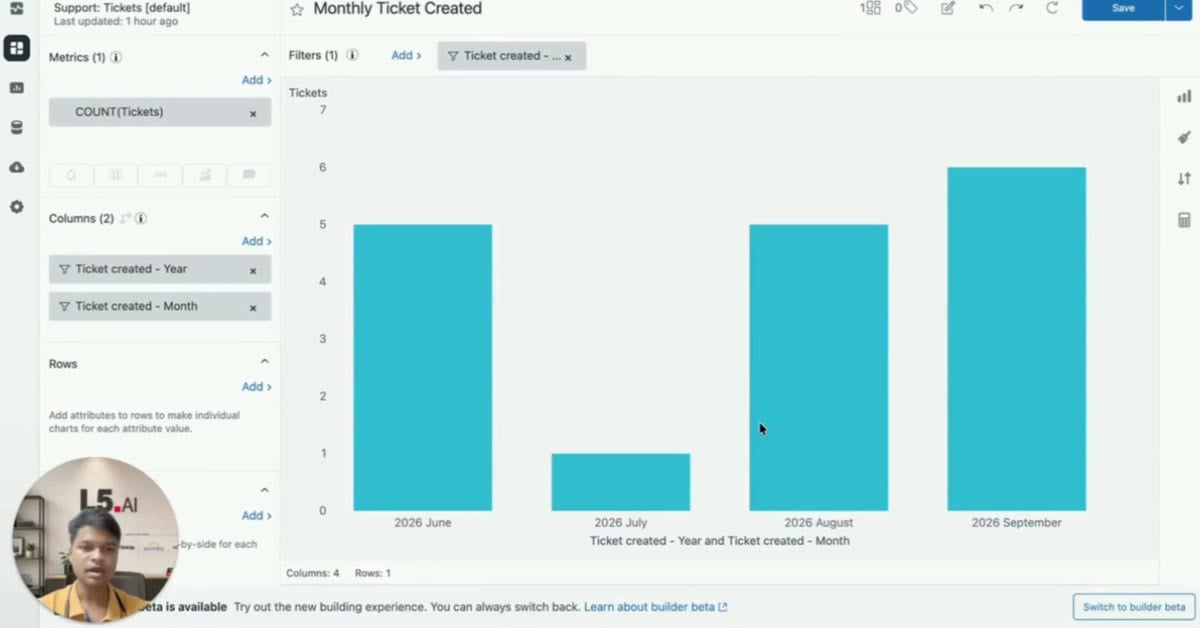
A report in Zendesk Explore answers one question about your ticket data, and a dashboard puts several together. How to start a report, how Quick report builds one from a plain-language question, and how the report builder shapes the result.
2 min/Oct 2026
Watch
New resources, as soon as they land.
Whitepapers, datasheets, recorded sessions, and field notes on operating AI. Straight to your inbox, the week we publish.